
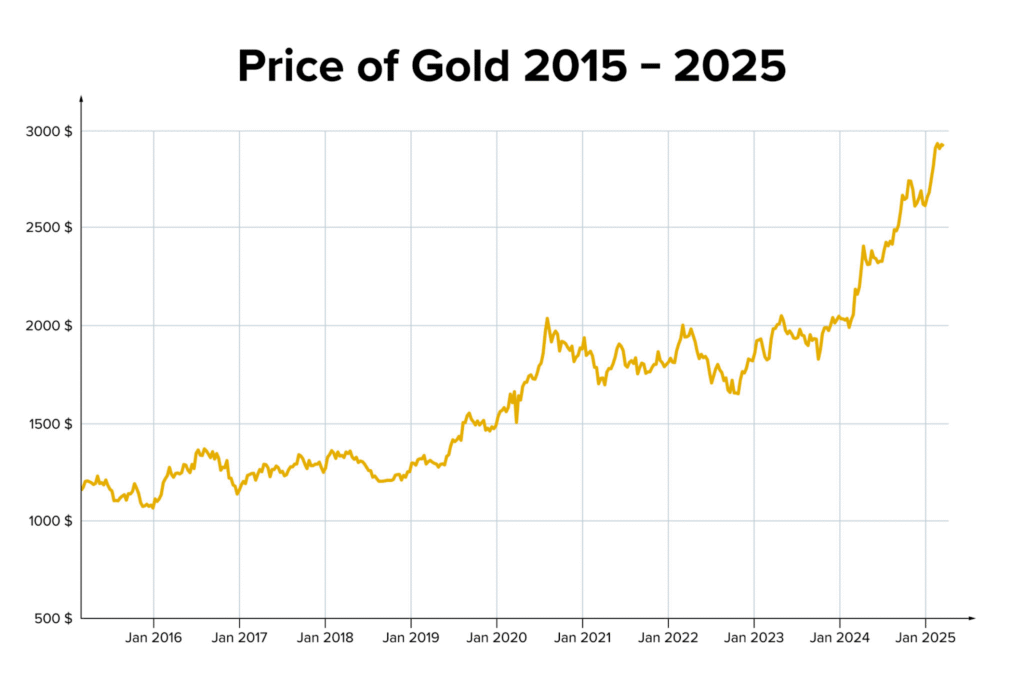
Silver’s Behaviour Requires Context
Silver is often misunderstood.
Unlike gold, roughly half of silver demand is industrial – linked to solar, electronics, EVs, and data infrastructure. When growth optimism pauses, silver prices tend to react more sharply.
This does not mean demand has disappeared.
It means positioning adjusted.
Price volatility should not be confused with deterioration in intrinsic relevance.
Corrections Are a Feature, Not a Failure
Historically, even strong precious-metal cycles include:
- 10–20% drawdowns
- Extended consolidation phases
These periods:
- Remove speculative excess
- Improve the quality of future returns
- Strengthen long-term price structure
Trying to avoid volatility often results in poor behaviour – buying late and selling early.
The Question Worth Asking
Instead of asking:
“Should I exit gold or silver now?”
A value-oriented investor asks:
“Does this asset still serve a useful role in my portfolio?”
Gold and silver are not expected to compound like businesses.
They are held for resilience, not excitement.
Their role is to:
- Hedge purchasing power
- Provide balance during equity drawdowns
- Reduce dependence on any single economic outcome
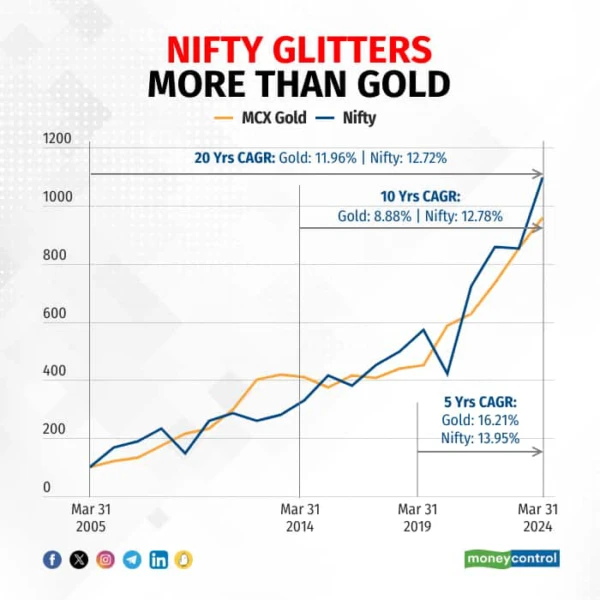
A Sensible Framework for Precious Metals
Process matters more than price.
Some principles that have held up over time:
- Think in terms of allocation, not timing
- For most portfolios, 8-15% combined exposure is sufficient
- Avoid lump-sum decisions driven by recent price movement
- Accumulate gradually and rebalance periodically
- Expect volatility – especially in silver
If prices rise sharply and allocations expand, rebalance.
If prices correct and allocations fall below target, add patiently.
This is not trading.
It is portfolio construction.
The Risk That Often Goes Unnoticed
The real risk is not buying gold slightly higher or silver slightly lower.
The larger risk is building long-term wealth assuming equities alone will solve every problem.
History suggests otherwise.
Diversification reduces fragility.
Concentration increases it.
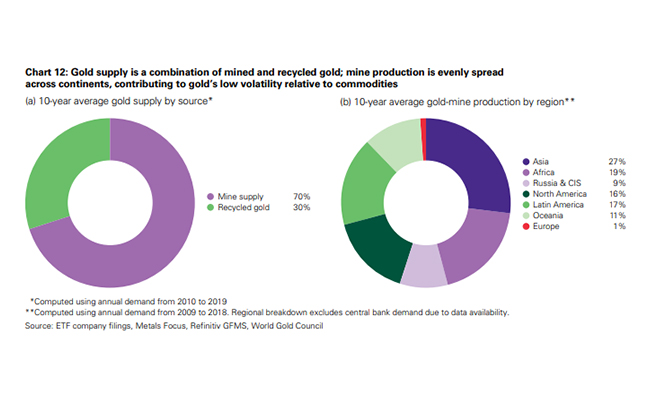
Closing Thought
Being late to a rally feels uncomfortable.
But being unprepared for:
- Inflation
- Currency stress
- Market drawdowns
- Policy or geopolitical shocks
is far more costly.
Precious metals rarely look attractive at the moment they are most useful.
That is precisely why disciplined investors hold them –
not as a trade, but as insurance